
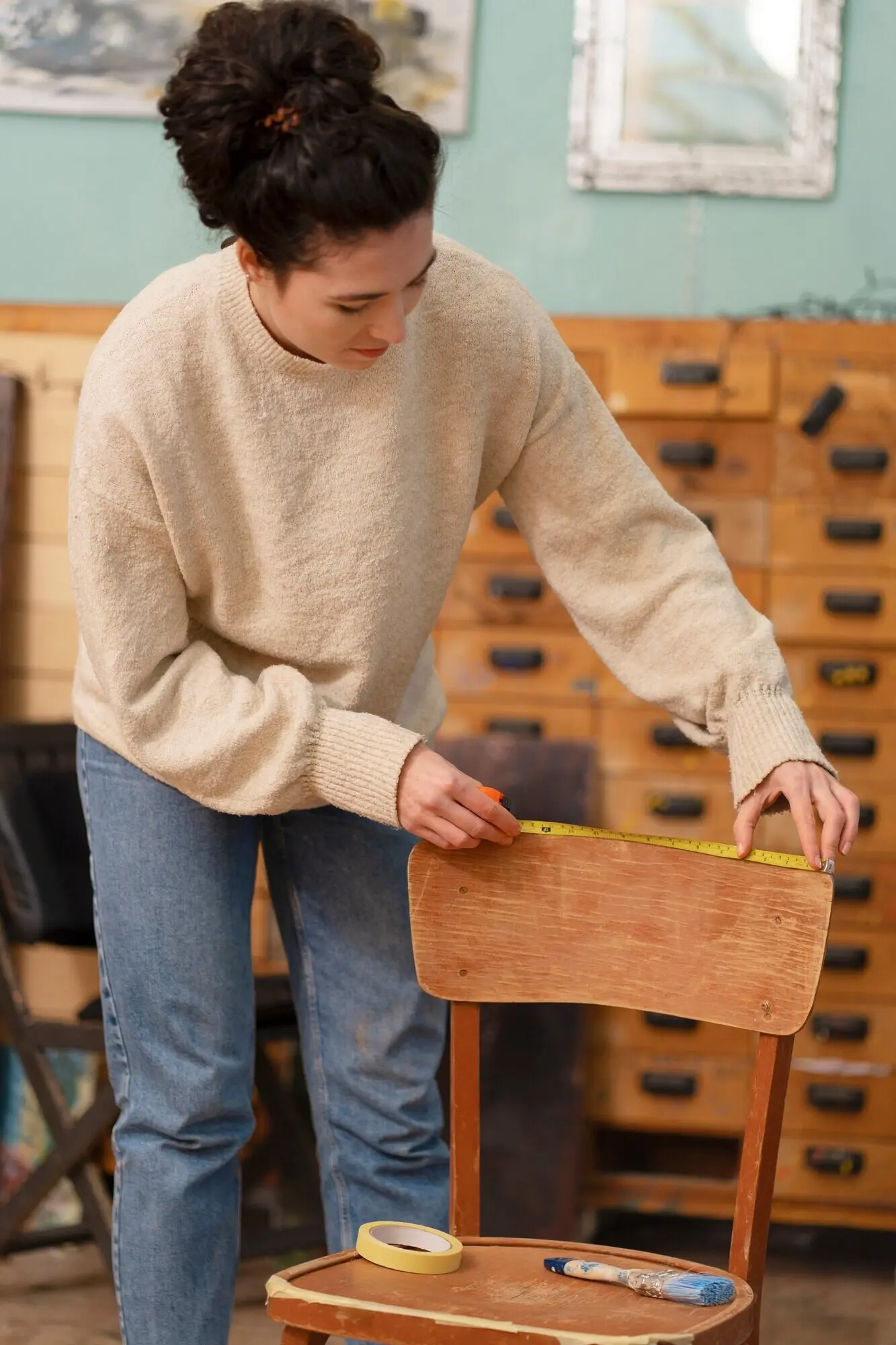











Breathe New Life into Cherished Pieces

Today we dive into upcycling heirloom furniture for modern green homes, celebrating craftsmanship while cutting waste and carbon. We’ll share practical techniques, mindful materials, and gentle upgrades that preserve memories without sacrificing performance. Bring your grandmother’s dresser, an old farm table, or a battered trunk; by the end, you’ll feel confident planning respectful changes and inspired to share your results with our community.

Reading the Story Written in Wood

Before any sanding or paint, learn to read grain, joints, and repairs like clues. Identify wood species, check for wobble, wormholes, or water rings, and photograph markings. Honest evaluation protects heritage, prevents over-restoration, and guides choices that keep beauty, strength, and family stories alive.

Structural Integrity First

Set the piece on a flat floor, rock it gently, and test every joint without forcing movement. Look for light between tenons and mortises, listen for creaks, and sniff for mildew. A patient hour here saves weeks of corrective work later.

Tracing Provenance Without Freezing Possibility

Search drawers for maker’s stamps, pencil notes, or repair tags, and talk with relatives about purchase dates or moves. Provenance research sets respectful boundaries, yet it should not paralyze you; the goal is loving stewardship through thoughtful, reversible improvement.

Balancing Patina and Performance

Celebrate sun-faded edges and hand-worn rails, but stabilize loose veneer, uneven drawers, and dangerous splinters. Decide what patina tells the story and what damage obscures it. Aim for usability today without erasing fingerprints of time and previous caretakers.

Earth‑Kind Finishes and Materials

Finishes influence air quality and longevity. Choose low-VOC or zero-VOC paints, milk paint, shellac, and plant-based oils that cure hard without harsh solvents. Favor FSC-certified repair wood, recycled leather, organic wool batting, and water-based adhesives that keep interiors breathable and families comfortable.

Choosing Safer Coatings

Test small areas first and observe odor, drying time, and color shift. Waterborne finishes reduce fumes and clean up easily. Shellac seals in odors from old drawers, while soap finish or hardwax oil provides a velvety, repairable surface ideal for busy homes.

Adhesives, Fillers, and Fabrics

Hide glue remains reversible with warm water and steam, making future conservation possible. Choose water-based contact cements and low-formaldehyde plywood inserts. For upholstery, consider organic cotton canvas, natural latex foam, coconut coir, and recycled wool felt that breathe and age gracefully.

Hardware with a Light Footprint

Retain original brass pulls when feasible, polishing lightly to preserve character. When replacing, select solid hardware, refurbished salvage, or stainless fasteners that last. Avoid mixed metals that corrode each other, and keep removed pieces labeled for future reinstallation or archival storage.

Hands-On Techniques That Respect Craft

Respect for earlier makers guides every decision. Repair joints with period-appropriate methods, patch veneer with matching grain, and raise dents with steam, not aggressive sanding. Aim for durability through care, using sharp hand tools, patient clamping, and techniques that can be undone.

Modern Function, Quietly Integrated

{{SECTION_SUBTITLE}}

Smart Storage Without Scars

Convert one drawer to a shallow tray using existing screw holes and felt liners, keeping rails untouched. Use tension-fit dividers for cutlery or craft supplies. Everything lifts out later, leaving the cabinet ready to return to its earlier duties.

Power and Tech, Done Discreetly

Create a hidden charging nook behind a drop-down panel, adding a surge strip secured with existing fasteners. Drill only through replacement backboards, never original cases. Use fabric cable sleeves to reduce abrasion, and label every addition for future removal.

Safety, Testing, and Responsible Disposal

Responsible work protects people and the planet. Old finishes may contain lead, padding may hide asbestos fibers, and foam can hold flame retardants. Wear a respirator, use dust extraction, ventilate well, and dispose of hazardous waste through approved community programs.

Stories from Real Homes

Real rooms show how gently updated pieces enliven daily life. These stories share mistakes, happy surprises, and measurable savings. You’ll see how respectful choices kept sentimental value intact while reducing landfill waste and purchase costs, inspiring your own confident, joyful experiments.

The Maple Dresser Becomes a Vanity

We salvaged a cracked dresser by repurposing its top as a backsplash and fitting a reclaimed sink within a removable plywood box. Marine varnish sealed edges, while original knobs hung as towel pegs. The family kept both functionality and memory.

A Farm Table Finds a City Kitchen

Shortening the table by one leaf improved circulation in a compact kitchen. We added an underframe shelf for pots, fixed with existing bolts, and refreshed the top with soap finish. Guests now gather casually, marveling at the table’s renewed generosity.

Granddad’s Trunk, Now a Conversation Table

We lined the trunk with cedar offcuts to discourage moths, added soft-close hinges to protect fingers, and placed hidden casters beneath a recessed base. A glass top protects stickers from decades of travel, inviting conversation during tea and game nights.

Care That Extends the Next Generation

Once restored, pieces flourish under calm routines. Wipe with damp cotton, not harsh cleaners, feed thirsty wood with occasional oil or wax, and keep felt pads fresh. Manage humidity and light to reduce movement, protecting joints, finishes, and treasured details. Share your maintenance victories with us and subscribe for monthly workshop tips.

Simple Routines, Big Rewards

Set quarterly reminders to dust with a soft brush, re-wax traffic areas, and tighten hardware gently. Catch early signs of stress—sticky drawers, rocking legs, or hazy lacquer—before they escalate. Small habits extend beauty and minimize resource use over decades.

Climate and Light Management

Place pieces away from radiators and direct sun. Use breathable blinds or UV film to protect finishes and fabrics. Keep indoor humidity around forty to fifty percent to reduce checking, loose glue joints, and veneer bubbles throughout seasonal shifts.

Fenipefoxokuvutuhilalaki
Privacy Overview

This website uses cookies so that we can provide you with the best user experience possible. Cookie information is stored in your browser and performs functions such as recognising you when you return to our website and helping our team to understand which sections of the website you find most interesting and useful.